
 English
  Español
  Русский


Discover the answers to frequently asked questions about laser hair removal, including why patients opt for it, who can get the treatment, the standard procedure, expected results, pricing, and the difference between laser and IPL treatments.
Why do patients opt for laser hair removal?
Patients choose laser hair removal to permanently reduce unwanted hair, avoiding repetitive and tedious methods like shaving, waxing, and tweezing.
Who can get laser hair removal?
Both women and men can benefit from laser hair removal. Women commonly target areas like underarms, bikini lines, and legs, while men focus on their backs and necks.
What's the standard procedure like?
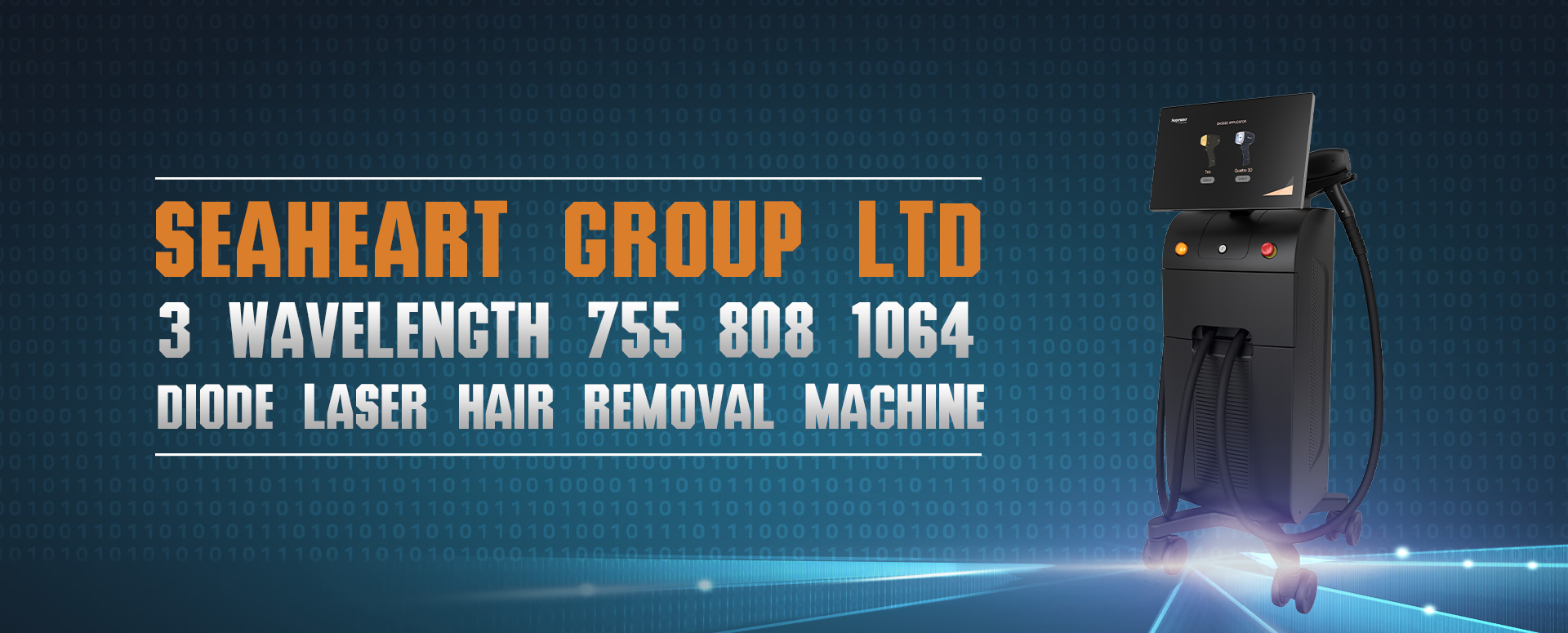
During the treatment, a light-based system emits flashes of light that are absorbed by the hair follicles, damaging them. Each pulse is quick, treating multiple hairs simultaneously. Treatment duration varies based on the area being treated.
How does laser hair removal work?
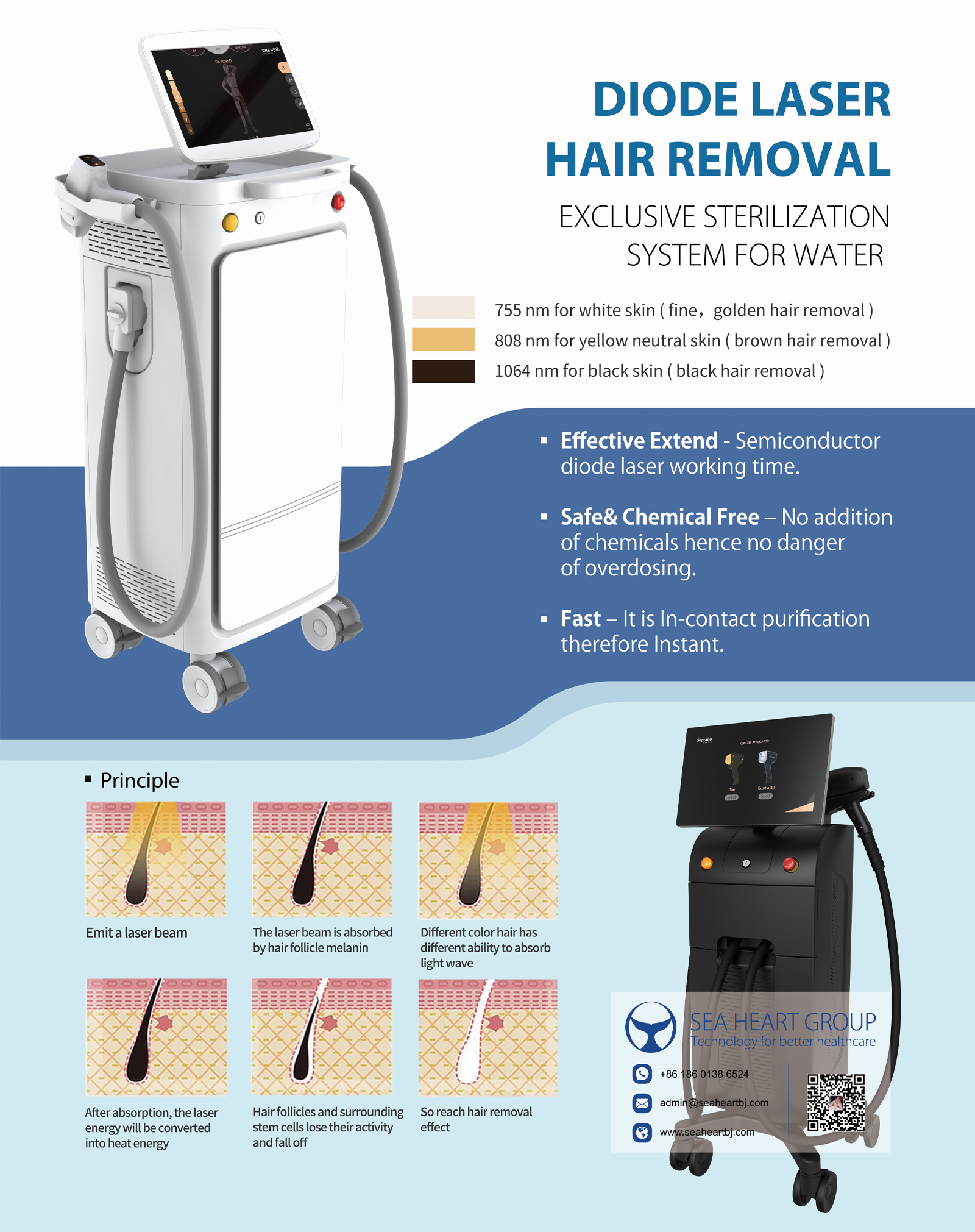
Laser hair removal destroys the hair follicle's root by using light energy absorbed by the hair's melanin. The energy heats and damages the follicle, inhibiting regrowth. Multiple treatments are required to target hair follicles during their growth phase.
What kind of results can patients expect?
Most patients require 5 to 8 treatments, spaced 4 to 6 weeks apart, to achieve desired results. SEA HEART technology ensures effective results for all skin and hair types, with lighter hair possibly needing more treatments.
How much are the treatments?
Pricing varies depending on the location, clinic, competitive market, and treatment area. Average prices ranged from $60 to $900 in 2017, with clinics offering special packages for multiple treatment plans.
Does laser hair removal save patients money?
Laser hair removal saves patients time, pain, and money compared to long-term waxing costs. It is significantly more cost-effective over time.
What are the types of light-based hair removal?
Laser (diode) and Intense Pulsed Light (IPL) systems are the main technologies for permanent hair reduction. SEA HEART offers both IPL (ReVive) and diode (ReSmooth) laser hair removal technologies.
What's the difference between laser and IPL treatment?
Laser treatment uses a concentrated wavelength to target melanin in the hair, while IPL treatment emits a wide spectrum of light. Both methods efficiently target hair to achieve optimal results.
 Dubai Derma 2026
 BeautyEurasia 2026 in Turkey
 Best Body Slimming Machines for Clinics in 2026
 Top 10 Aesthetic Equipment Suppliers in China (2026 Edition)

